← Back to Perspectives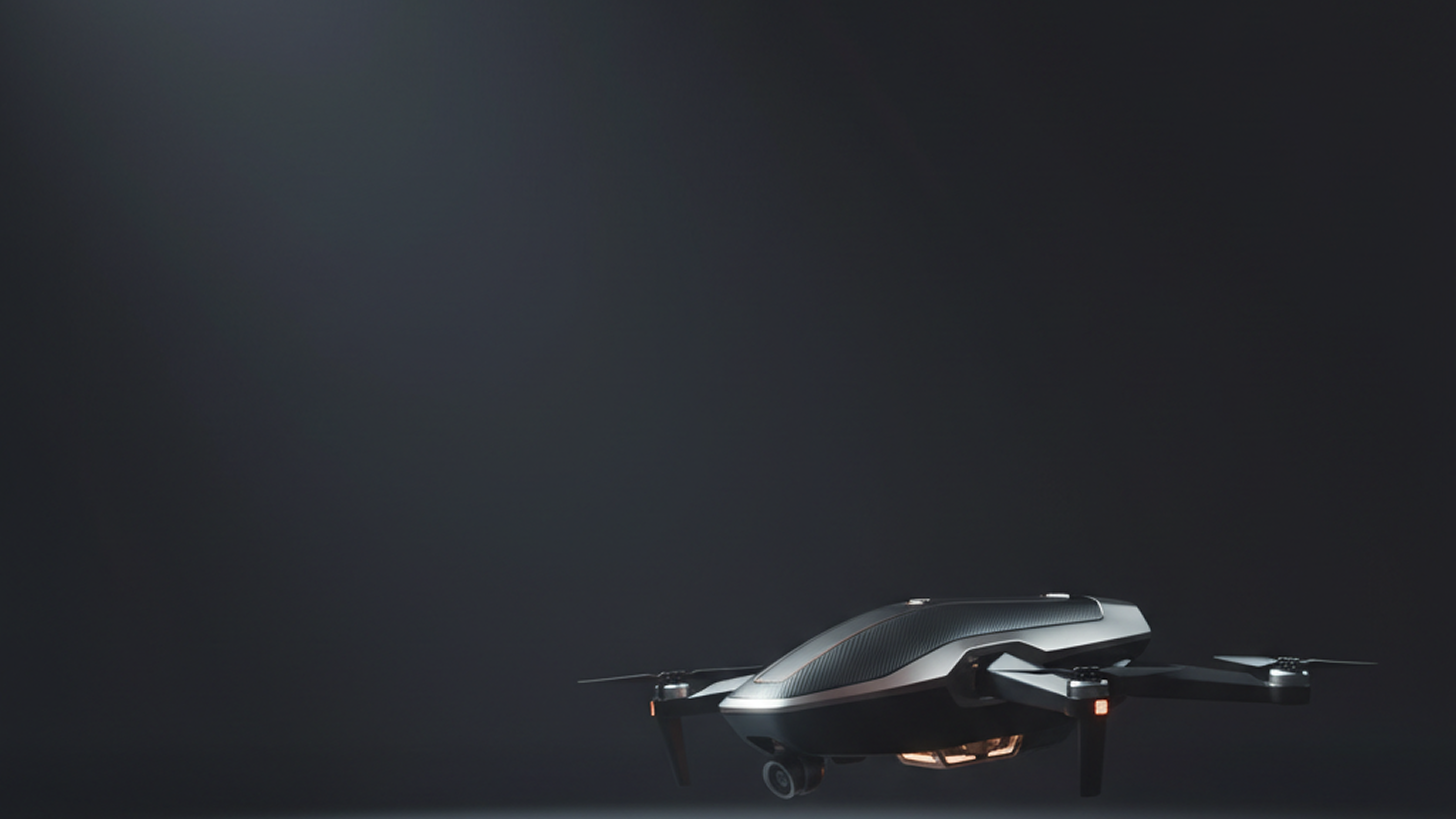
NVIDIA Jetson Orin Nano 2: The Rise of Edge AI
August 28, 2026 · 5 min read
Artificial intelligence is moving closer to the point where decisions become actions. NVIDIA's new Jetson Orin Nano 2 is built for that shift. The compact robotics computer is designed to bring more capable AI into robots, drones and other physical systems. The platform delivers 78 TOPS of AI compute, 8GB of memory and an 8-core Arm CPU. NVIDIA says it offers twice the inference performance of the previous Orin Nano Super in the same form factor. At equivalent performance, it can also use 40% less power. Availability is planned for the first half of 2027.
The bigger story is not just the hardware.
It is where the intelligence is going. AI is moving out of the data center and into the machine.
The bigger story is not just the hardware.
It is where the intelligence is going. AI is moving out of the data center and into the machine.
AI Is Moving to the Edge
Much of today's AI still depends on large data centres.
A device sends information to the cloud. The model processes it. The answer comes back.
Edge AI changes that model.
Instead, some of the processing happens on the device itself. A robot can process images locally. A drone can analyse its surroundings without sending every frame to a remote server.
This can reduce latency and improve resilience.
It also makes AI more useful in places where connectivity is limited.
NVIDIA is targeting Jetson Orin Nano 2 at robots, delivery and inspection drones, and vision AI systems. The platform also supports smaller language and vision-language models.
The result is simple:
More intelligence can travel with the machine.
A device sends information to the cloud. The model processes it. The answer comes back.
Edge AI changes that model.
Instead, some of the processing happens on the device itself. A robot can process images locally. A drone can analyse its surroundings without sending every frame to a remote server.
This can reduce latency and improve resilience.
It also makes AI more useful in places where connectivity is limited.
NVIDIA is targeting Jetson Orin Nano 2 at robots, delivery and inspection drones, and vision AI systems. The platform also supports smaller language and vision-language models.
The result is simple:
More intelligence can travel with the machine.
The Hardware Becomes Part of the AI
A model is only useful if a system can run it.
A robot needs processors, sensors, power and software.
A drone needs the same. It also has strict limits on weight, battery life and connectivity.
This makes edge compute a strategic issue.
The processor is no longer just a technical component. It becomes part of the intelligence system.
This connects with The Hedge Collective's work on Sovereignty.
The key question is not only whether an organization can access advanced technology. It is whether it can control the infrastructure that technology depends on. That question becomes harder when AI moves into physical systems. A robot may be autonomous in operation. Its intelligence stack may still depend on outside hardware, software or services.
A robot needs processors, sensors, power and software.
A drone needs the same. It also has strict limits on weight, battery life and connectivity.
This makes edge compute a strategic issue.
The processor is no longer just a technical component. It becomes part of the intelligence system.
This connects with The Hedge Collective's work on Sovereignty.
The key question is not only whether an organization can access advanced technology. It is whether it can control the infrastructure that technology depends on. That question becomes harder when AI moves into physical systems. A robot may be autonomous in operation. Its intelligence stack may still depend on outside hardware, software or services.
Why This Matters
Drones show the value of edge AI clearly.
They operate with limited power and weight. They also need to respond quickly to their surroundings.
Local processing can help a drone handle more of its perception and decision-making onboard.
NVIDIA lists delivery and inspection drones among the target uses for Jetson Orin Nano 2. Wing, the drone-delivery company owned by Alphabet, is also evaluating the platform.
This links directly to The Hedge Collective's analysis of Military Drone Supply Chains.
A drone is never just a drone.
Its capability depends on processors, batteries, sensors, software, communications and manufacturing.
As onboard AI becomes more important, compute becomes another part of that supply chain.
The edge is becoming a new point of strategic dependence.
They operate with limited power and weight. They also need to respond quickly to their surroundings.
Local processing can help a drone handle more of its perception and decision-making onboard.
NVIDIA lists delivery and inspection drones among the target uses for Jetson Orin Nano 2. Wing, the drone-delivery company owned by Alphabet, is also evaluating the platform.
This links directly to The Hedge Collective's analysis of Military Drone Supply Chains.
A drone is never just a drone.
Its capability depends on processors, batteries, sensors, software, communications and manufacturing.
As onboard AI becomes more important, compute becomes another part of that supply chain.
The edge is becoming a new point of strategic dependence.
From Cloud Dependency to Compute Dependency
Edge AI can reduce some forms of dependence.
A machine can process more information locally. It does not need to send every task to a remote AI service.
But another dependency appears.
Who supplies the compute?
Jetson Orin Nano 2 sits inside NVIDIA's wider robotics ecosystem. That includes hardware, software, models and development tools. The platform is also designed to support a range of language and vision-language models.
This is why AI infrastructure matters.
The dependency is rarely just the chip.
It can include:
Hardware → software → models → tools → deployment → updates
Control over these layers can shape how autonomous systems are built and maintained.
This is closely related to The Hedge Collective's analysis in The Sovereign Imperative: Why Nations Must Own Their Intelligence Stack.
AI sovereignty is not only about building a powerful model.
It is also about controlling the infrastructure that keeps intelligence available and adaptable.
A machine can process more information locally. It does not need to send every task to a remote AI service.
But another dependency appears.
Who supplies the compute?
Jetson Orin Nano 2 sits inside NVIDIA's wider robotics ecosystem. That includes hardware, software, models and development tools. The platform is also designed to support a range of language and vision-language models.
This is why AI infrastructure matters.
The dependency is rarely just the chip.
It can include:
Hardware → software → models → tools → deployment → updates
Control over these layers can shape how autonomous systems are built and maintained.
This is closely related to The Hedge Collective's analysis in The Sovereign Imperative: Why Nations Must Own Their Intelligence Stack.
AI sovereignty is not only about building a powerful model.
It is also about controlling the infrastructure that keeps intelligence available and adaptable.
From Intelligence to Physical Action
This is where edge AI becomes more than a hardware story.
AI is moving from systems that answer questions to systems that interact with the physical world.
That shift is central to The Hedge Collective's work across Domains.
The focus is not simply on what a model can generate. It is on how intelligence interacts with real systems, infrastructure and emerging threats.
Edge AI makes that connection more direct.
A model can interpret an image.
A robot can act on that interpretation.
A drone can respond to its environment.
The distance between perception and action is shrinking.
AI is moving from systems that answer questions to systems that interact with the physical world.
That shift is central to The Hedge Collective's work across Domains.
The focus is not simply on what a model can generate. It is on how intelligence interacts with real systems, infrastructure and emerging threats.
Edge AI makes that connection more direct.
A model can interpret an image.
A robot can act on that interpretation.
A drone can respond to its environment.
The distance between perception and action is shrinking.
The Varro Question
The same shift raises a question that sits close to the thinking behind Varro.
Who controls the intelligence layer?
Varro approaches this question at the strategic intelligence level. It is built around bringing signals together into a clearer picture while keeping intelligence under sovereign control.
Edge AI raises a similar question inside physical machines.
Who controls the compute?
Who controls the software?
Who controls the model?
Who controls the update cycle?
And what happens if access to one of those layers disappears?
These are no longer only engineering questions.
They are questions of strategic autonomy.
Who controls the intelligence layer?
Varro approaches this question at the strategic intelligence level. It is built around bringing signals together into a clearer picture while keeping intelligence under sovereign control.
Edge AI raises a similar question inside physical machines.
Who controls the compute?
Who controls the software?
Who controls the model?
Who controls the update cycle?
And what happens if access to one of those layers disappears?
These are no longer only engineering questions.
They are questions of strategic autonomy.
The Next AI Race Is at the Edge
NVIDIA's Jetson Orin Nano 2 does not create autonomous machines by itself.
It does, however, lower one barrier to building them.
More compute can fit into smaller systems.
Models can run closer to the point of action.
And more capable AI can move into robots, drones and industrial machines.
That could accelerate the spread of physical AI beyond large data centres.
For businesses, this could mean smarter industrial and service robots.
For logistics, it could mean more capable delivery systems.
For inspection, it could mean faster local analysis.
For defence, it could support increasingly distributed autonomous systems.
The strategic question is therefore changing.
The AI race is no longer only about who builds the biggest model.
It is also about who controls the infrastructure that puts intelligence into the physical world.
The data centre still matters.
But so does the processor inside the machine.
The next generation of AI power may not simply sit behind the screen.
It may move with the machine.
It does, however, lower one barrier to building them.
More compute can fit into smaller systems.
Models can run closer to the point of action.
And more capable AI can move into robots, drones and industrial machines.
That could accelerate the spread of physical AI beyond large data centres.
For businesses, this could mean smarter industrial and service robots.
For logistics, it could mean more capable delivery systems.
For inspection, it could mean faster local analysis.
For defence, it could support increasingly distributed autonomous systems.
The strategic question is therefore changing.
The AI race is no longer only about who builds the biggest model.
It is also about who controls the infrastructure that puts intelligence into the physical world.
The data centre still matters.
But so does the processor inside the machine.
The next generation of AI power may not simply sit behind the screen.
It may move with the machine.
Continue Reading

GPT-6 Astra Is Here. What Changes Now?
OpenAI’s latest model marks a shift from AI that answers questions to AI that can act on them.

EU Designates ChatGPT as a Very Large Online Search Engine Under the DSA
ChatGPT faces stricter EU oversight as AI becomes critical information infrastructure.

Anthropic’s Model Hardware Standard: AI Goes Physical
Anthropic is building a common interface for AI agents and physical machines, bringing autonomous intelligence closer to robots, laboratories and critical infrastructure.