← Back to Perspectives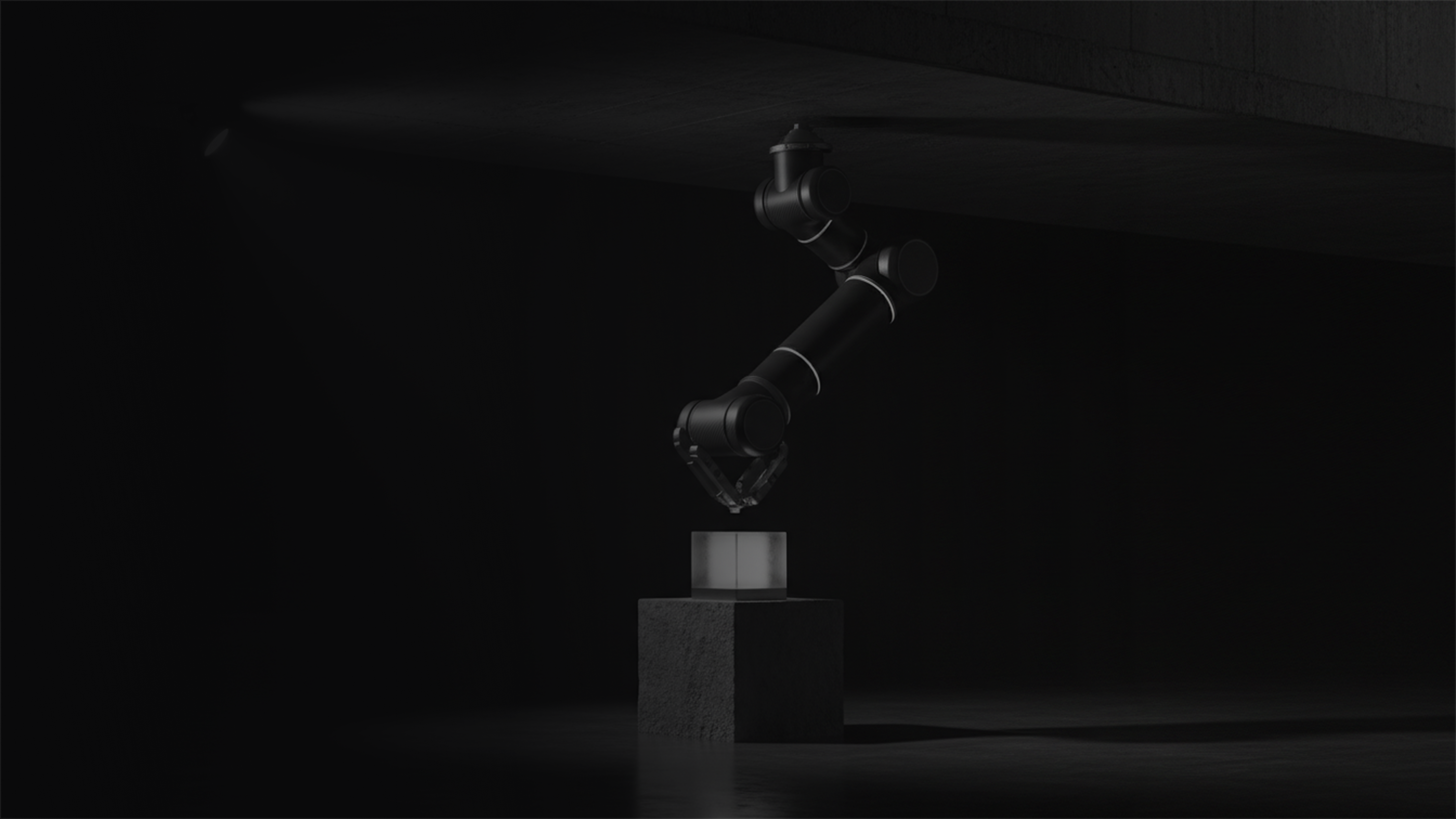
Anthropic’s Model Hardware Standard: AI Goes Physical
August 31, 2026 · 10 min read
Anthropic is building a common interface between AI agents and physical machines. The shift could change how robots, laboratories and autonomous systems operate, while raising a bigger question: who controls the infrastructure behind increasingly capable AI?
For years, the AI race happened mostly inside computers.
Models learned to write, analyse data, generate images and operate software. Now the industry is moving toward something harder.
AI needs to act in the physical world.
That means interacting with robots, sensors, laboratory equipment and industrial machines. It means understanding what a machine can do, what it cannot do, and when a human needs to step in.
Anthropic is now working on one part of that problem.
On August 27, the company opened a research preview of its Model Hardware Standard (MHS), a specification designed to let AI agents operate programmable physical devices through a shared interface. The first applications include scientific research and advanced manufacturing, with systems such as microscopes, liquid handlers and robotic arms.
The technology is still in an early stage.
But the direction matters.
AI agents are moving from screens into machines.
For years, the AI race happened mostly inside computers.
Models learned to write, analyse data, generate images and operate software. Now the industry is moving toward something harder.
AI needs to act in the physical world.
That means interacting with robots, sensors, laboratory equipment and industrial machines. It means understanding what a machine can do, what it cannot do, and when a human needs to step in.
Anthropic is now working on one part of that problem.
On August 27, the company opened a research preview of its Model Hardware Standard (MHS), a specification designed to let AI agents operate programmable physical devices through a shared interface. The first applications include scientific research and advanced manufacturing, with systems such as microscopes, liquid handlers and robotic arms.
The technology is still in an early stage.
But the direction matters.
AI agents are moving from screens into machines.
The problem is not just intelligence
Giving an AI model access to a robot sounds simple.
It is not.
A modern laboratory can contain equipment from many different companies. Each machine can have its own software, programming language and control system.
One device may expose a Python interface. Another may rely on proprietary software. A third may have no simple way for an AI system to understand its capabilities.
Someone then has to build the connections.
Anthropic says integrating hardware in laboratories and manufacturing facilities can traditionally take weeks or months. MHS is designed to reduce that integration work by giving different devices a common structure.
This creates an important bottleneck.
The AI may be capable of reasoning about an experiment.
But it still needs a way to tell the machines what to do.
That makes infrastructure almost as important as intelligence.
It is not.
A modern laboratory can contain equipment from many different companies. Each machine can have its own software, programming language and control system.
One device may expose a Python interface. Another may rely on proprietary software. A third may have no simple way for an AI system to understand its capabilities.
Someone then has to build the connections.
Anthropic says integrating hardware in laboratories and manufacturing facilities can traditionally take weeks or months. MHS is designed to reduce that integration work by giving different devices a common structure.
This creates an important bottleneck.
The AI may be capable of reasoning about an experiment.
But it still needs a way to tell the machines what to do.
That makes infrastructure almost as important as intelligence.
Anthropic wants to create a common language for machines
The Model Hardware Standard is designed to act as a layer between AI agents and physical equipment.
Instead of creating a completely new integration for every machine, developers can use a standardised driver that describes the device and exposes its capabilities.
The approach also makes hardware characteristics and limits easier for agents to understand. MHS is designed to work with programmable devices and is model-agnostic, meaning it is not restricted to Anthropic's own models.
The goal is not simply to make Claude control a robot.
The larger ambition is to make physical hardware easier for AI systems to discover, understand and operate.
That is an infrastructure problem.
And infrastructure is where the story becomes much more strategic.
Instead of creating a completely new integration for every machine, developers can use a standardised driver that describes the device and exposes its capabilities.
The approach also makes hardware characteristics and limits easier for agents to understand. MHS is designed to work with programmable devices and is model-agnostic, meaning it is not restricted to Anthropic's own models.
The goal is not simply to make Claude control a robot.
The larger ambition is to make physical hardware easier for AI systems to discover, understand and operate.
That is an infrastructure problem.
And infrastructure is where the story becomes much more strategic.
From software agents to physical agents
AI agents have already started changing how software is used.
An agent can search for information, write code, use tools and complete multi-step tasks.
Physical agents add another layer.
The system can now:
perceive → reason → act → measure → adapt.
A robot can move something.
A microscope can change its settings.
A laboratory system can run the next stage of an experiment.
A machine can respond to a new reading.
The difference is that these actions now have consequences outside the screen.
A software mistake might create a bad report.
A physical mistake could damage equipment, waste material or disrupt an experiment.
That makes the interface between AI and hardware much more important.
An agent can search for information, write code, use tools and complete multi-step tasks.
Physical agents add another layer.
The system can now:
perceive → reason → act → measure → adapt.
A robot can move something.
A microscope can change its settings.
A laboratory system can run the next stage of an experiment.
A machine can respond to a new reading.
The difference is that these actions now have consequences outside the screen.
A software mistake might create a bad report.
A physical mistake could damage equipment, waste material or disrupt an experiment.
That makes the interface between AI and hardware much more important.
The physical world does not behave like software
This is also where the limitations become clear.
A model can be very good at reasoning about a machine without understanding everything happening around it.
A sensor might report a value. A camera might show an image. But the underlying physical cause may still require an experienced researcher or engineer.
Anthropic's early work reflects this challenge. The company is developing MHS with scientific and manufacturing partners while also working on safety evaluations and best practices for AI systems operating physical equipment.
This is an important distinction.
MHS does not make AI autonomous by itself.
It makes the connection between AI and hardware easier.
The intelligence still has to deal with the physical world.
A model can be very good at reasoning about a machine without understanding everything happening around it.
A sensor might report a value. A camera might show an image. But the underlying physical cause may still require an experienced researcher or engineer.
Anthropic's early work reflects this challenge. The company is developing MHS with scientific and manufacturing partners while also working on safety evaluations and best practices for AI systems operating physical equipment.
This is an important distinction.
MHS does not make AI autonomous by itself.
It makes the connection between AI and hardware easier.
The intelligence still has to deal with the physical world.
Why this matters to The Hedge Collective
This shift is particularly relevant to the questions explored through The Hedge Collective's Perspectives.
The Collective looks at developments across technology, infrastructure, security and the wider strategic environment. The movement of AI from software into physical systems adds another important layer to that environment.
A model operating a computer is one thing.
An AI agent operating laboratory equipment, industrial machinery or autonomous systems is another.
The question becomes less about what the model can say and more about what infrastructure it can touch.
That distinction matters because technological capability is increasingly tied to the systems underneath it.
The Collective looks at developments across technology, infrastructure, security and the wider strategic environment. The movement of AI from software into physical systems adds another important layer to that environment.
A model operating a computer is one thing.
An AI agent operating laboratory equipment, industrial machinery or autonomous systems is another.
The question becomes less about what the model can say and more about what infrastructure it can touch.
That distinction matters because technological capability is increasingly tied to the systems underneath it.
Physical AI creates new dependencies
The AI industry often talks about models as if they exist independently.
They do not.
Every capable AI system depends on infrastructure.
When AI enters the physical world, the dependency chain gets longer.
A robot might depend on a particular processor.
That processor might depend on a particular supplier.
The software might depend on a particular platform.
The model might depend on an external API.
The machine may be physically located in one country while parts of its intelligence stack remain controlled somewhere else.
This is where the story connects with The Hedge Collective's work on sovereignty.
As AI becomes more deeply embedded in critical infrastructure, questions around ownership, vendor dependence, data control and technological autonomy become harder to ignore.
The issue is no longer simply whether an organisation has AI.
It is whether it controls the infrastructure that allows that AI to function.
They do not.
Every capable AI system depends on infrastructure.
When AI enters the physical world, the dependency chain gets longer.
A robot might depend on a particular processor.
That processor might depend on a particular supplier.
The software might depend on a particular platform.
The model might depend on an external API.
The machine may be physically located in one country while parts of its intelligence stack remain controlled somewhere else.
This is where the story connects with The Hedge Collective's work on sovereignty.
As AI becomes more deeply embedded in critical infrastructure, questions around ownership, vendor dependence, data control and technological autonomy become harder to ignore.
The issue is no longer simply whether an organisation has AI.
It is whether it controls the infrastructure that allows that AI to function.
The machine may be autonomous. The infrastructure may not be.
This creates an interesting contradiction.
A robot can operate without a human continuously controlling it.
But the organization operating that robot may still depend on external infrastructure.
Consider a simple chain:
Model → software → compute → network → machine → physical action.
If one critical layer is controlled by another party, autonomy can become conditional.
This does not mean every AI system needs to be completely sovereign.
It does mean organizations need to understand where their dependencies sit.
That becomes increasingly important as AI moves into critical environments.
A robot can operate without a human continuously controlling it.
But the organization operating that robot may still depend on external infrastructure.
Consider a simple chain:
Model → software → compute → network → machine → physical action.
If one critical layer is controlled by another party, autonomy can become conditional.
This does not mean every AI system needs to be completely sovereign.
It does mean organizations need to understand where their dependencies sit.
That becomes increasingly important as AI moves into critical environments.
This is bigger than humanoid robots
The public conversation around physical AI often focuses on humanoid robots.
They are visually compelling.
But the first major applications may be much less dramatic.
Think about:
robotic laboratory equipment, industrial inspection system, autonomous warehouse machines, agricultural robots ,scientific instruments, delivery systems, infrastructure monitoring, edge AI devices .These systems do not need to look human.
They need to perform useful tasks reliably.
Anthropic's early MHS work is already focused on scientific and industrial equipment rather than humanoid robots.
That could be the more important development.
Physical AI may spread through existing machines before it arrives in the form of general-purpose humanoids.
They are visually compelling.
But the first major applications may be much less dramatic.
Think about:
robotic laboratory equipment, industrial inspection system, autonomous warehouse machines, agricultural robots ,scientific instruments, delivery systems, infrastructure monitoring, edge AI devices .These systems do not need to look human.
They need to perform useful tasks reliably.
Anthropic's early MHS work is already focused on scientific and industrial equipment rather than humanoid robots.
That could be the more important development.
Physical AI may spread through existing machines before it arrives in the form of general-purpose humanoids.
Varro and the intelligence layer
This also connects with the thinking behind Varro, The Hedge Collective's intelligence platform.
Varro is designed around bringing signals together, analysing them and turning them into a clearer operational picture.
The connection here is not that Varro operates physical machines.
It is that both developments point toward the same broader shift:
intelligence is becoming an active system rather than a passive source of information.
AI agents can increasingly observe, interpret and act.
The important question then becomes how those actions are governed.
Varro's approach places the human decision-maker at the centre of the process. The machine can surface information, connect signals and support decisions, but responsibility remains with the human.
That principle becomes even more important when AI systems can interact with physical infrastructure.
Varro is designed around bringing signals together, analysing them and turning them into a clearer operational picture.
The connection here is not that Varro operates physical machines.
It is that both developments point toward the same broader shift:
intelligence is becoming an active system rather than a passive source of information.
AI agents can increasingly observe, interpret and act.
The important question then becomes how those actions are governed.
Varro's approach places the human decision-maker at the centre of the process. The machine can surface information, connect signals and support decisions, but responsibility remains with the human.
That principle becomes even more important when AI systems can interact with physical infrastructure.
From detecting signals to acting on them
The Hedge Collective's Domains framework looks at how complex developments can be detected, decoded and understood across interconnected environments.
Physical AI introduces a new version of that loop.
An autonomous system can detect something.
An AI model can interpret it.
The system can decide what response is appropriate.
A machine can then execute the action.
The loop becomes:
Detect → Decode → Decide → Act → Learn
That final step is important.
Once machines can act and feed the results back into an AI system, the boundary between analysis and execution becomes increasingly thin.
Physical AI introduces a new version of that loop.
An autonomous system can detect something.
An AI model can interpret it.
The system can decide what response is appropriate.
A machine can then execute the action.
The loop becomes:
Detect → Decode → Decide → Act → Learn
That final step is important.
Once machines can act and feed the results back into an AI system, the boundary between analysis and execution becomes increasingly thin.
The race is moving beyond models
The AI industry has spent years competing over model performance.
Then came the race for compute.
Now another layer is becoming important: who controls the interface between intelligence and action?
Anthropic's Model Hardware Standard is one early attempt to address that interface.
If standards like MHS become widely adopted, developers could potentially build AI agents that work across many different machines without rebuilding every integration from scratch.
That could accelerate physical AI.
But it could also create new platform dependencies.
The standard that makes hardware easier to control could become strategically important itself.
This is why the physical AI race is not simply a robotics race.
It is an infrastructure race.
Then came the race for compute.
Now another layer is becoming important: who controls the interface between intelligence and action?
Anthropic's Model Hardware Standard is one early attempt to address that interface.
If standards like MHS become widely adopted, developers could potentially build AI agents that work across many different machines without rebuilding every integration from scratch.
That could accelerate physical AI.
But it could also create new platform dependencies.
The standard that makes hardware easier to control could become strategically important itself.
This is why the physical AI race is not simply a robotics race.
It is an infrastructure race.
What comes next
The Model Hardware Standard is still a research preview. Anthropic is working with scientific research labs and advanced manufacturers while using the early phase to develop safety evaluations and best practices.
There are still difficult problems to solve.
AI needs better physical reasoning.
Hardware needs reliable interfaces.
Organisations need clear permission systems.
Safety limits need to be enforceable.
And humans need to know when an AI system should stop and ask for help.
But the direction is becoming clear.
AI is moving closer to the systems that make decisions matter.
The important question is no longer only:
How intelligent is the model?
It is:
What can the model actually reach?
That question sits at the centre of the emerging physical AI landscape.
For The Hedge Collective, it also points to a broader strategic reality. Intelligence is increasingly embedded across infrastructure, machines and networks. Understanding those dependencies, knowing where control sits and maintaining visibility across critical systems will matter as much as the intelligence itself.
The AI agent may eventually have a body.
But the more important question may be who owns the nervous system.
There are still difficult problems to solve.
AI needs better physical reasoning.
Hardware needs reliable interfaces.
Organisations need clear permission systems.
Safety limits need to be enforceable.
And humans need to know when an AI system should stop and ask for help.
But the direction is becoming clear.
AI is moving closer to the systems that make decisions matter.
The important question is no longer only:
How intelligent is the model?
It is:
What can the model actually reach?
That question sits at the centre of the emerging physical AI landscape.
For The Hedge Collective, it also points to a broader strategic reality. Intelligence is increasingly embedded across infrastructure, machines and networks. Understanding those dependencies, knowing where control sits and maintaining visibility across critical systems will matter as much as the intelligence itself.
The AI agent may eventually have a body.
But the more important question may be who owns the nervous system.
Continue Reading
Larry Ellison Cancels $7.5 Billion Oracle Share Sale
Ellison's decision comes as Oracle pushes deeper into AI infrastructure while investors watch its spending and cash flow.

GPT-6 Astra Is Here. What Changes Now?
OpenAI’s latest model marks a shift from AI that answers questions to AI that can act on them.

EU Designates ChatGPT as a Very Large Online Search Engine Under the DSA
ChatGPT faces stricter EU oversight as AI becomes critical information infrastructure.